How to Start a Trash Can Cleaning Business
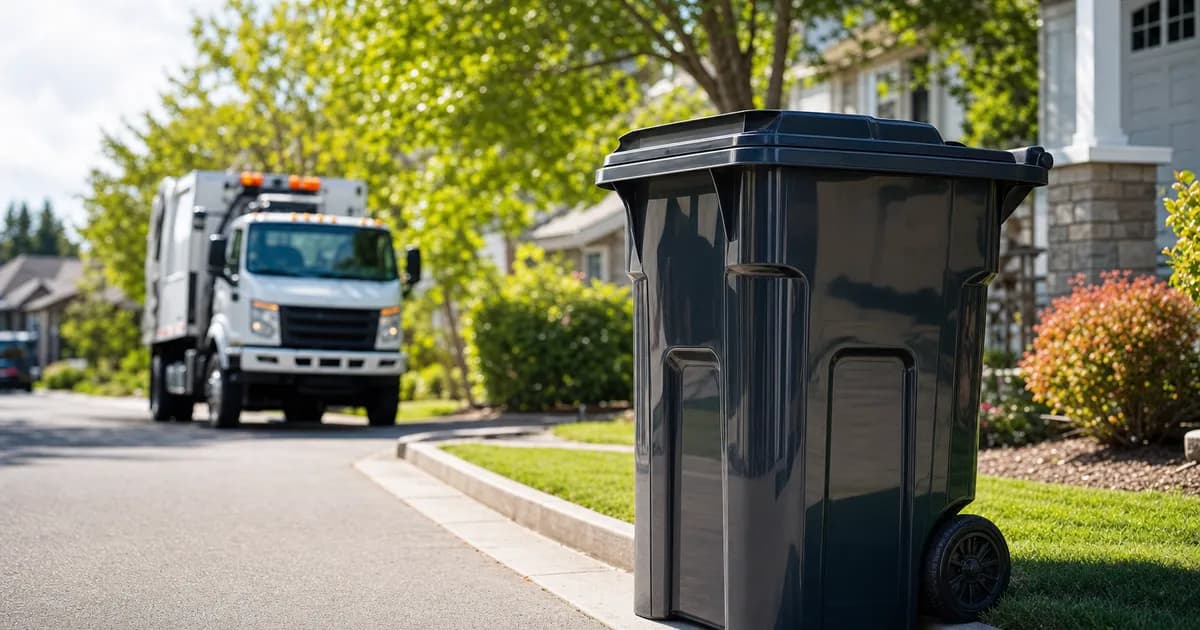
So you want to start a trash can cleaning business. Maybe you saw a video of one of those trucks blasting the grime out of a filthy garbage can and thought "I could do that." Maybe you already own a pressure washer and you want something with recurring revenue instead of chasing one-off jobs. Or maybe you just want a side hustle that runs on a weekend and pays for itself fast.
Whatever brought you here, the good news is this: trash can cleaning is one of the most accessible businesses you can start. Low startup costs, recurring revenue baked in, and demand on every street in the country. But most people who start one make the same handful of mistakes in the first six months that hold them back for years.
This covers the stuff nobody tells you until it's too late.
Get the boring basics sorted first
Before you clean a single can, sort out the unglamorous stuff. Register the business, get a basic general liability policy, and check your local rules on wastewater. That last one trips people up. When you blast out a garbage can, the runoff is full of grease, food waste, and bacteria, and in most places you are not allowed to let it run into a storm drain. A proper rig reclaims the dirty water so you can dispose of it correctly. Sort this before your first job, not after a neighbor complains.
Insurance is cheap and non-negotiable. If you damage a customer's property or someone slips on a wet driveway, you need to be covered. A basic policy takes fifteen minutes to set up online. Get it done and move on.
Start with one truck and one neighborhood
This is where a lot of people freeze. They think they need a $40,000 custom rig before they can take a dollar. You don't.
You can start with a trailer setup: a hot water pressure washer, a water tank, and a way to catch the dirty water. Plenty of operators started in a single zip code with gear that fit in the back of a pickup. The point is to prove people will pay you before you sink money into a wrapped truck and a second system.
Pick one neighborhood and own it. A trash can cleaning route lives or dies on density. Twenty customers on the same street on the same day is a real business. Twenty customers spread across the whole city is a gas bill. Start tight, then expand street by street.
Your pricing doesn't need to be complicated
Most new operators get pricing wrong the same way: they treat it like a one-off car wash, charge a flat fee per can, then wonder why the money is lumpy and unpredictable.
The whole point of this business is recurring revenue. Your default offer should be a plan, not a one-time clean. Monthly or quarterly, billed automatically, cleaned on a set schedule that follows the customer's trash day. A one-time clean is fine as an entry point, but price it high enough that the recurring plan is obviously the better deal. You want customers signing up for the year, not booking you once and disappearing.
Don't race to the bottom on price. Underpricing attracts the customers who cancel the fastest, and it is painfully hard to raise rates later. It is much easier to run a launch discount for your first ten customers than to double your prices six months in.
Your first customers come from your own street
Don't overthink marketing at the start. Post in your neighborhood Facebook group. Tell the people on your street. Knock on a few doors on trash day, when the cans are out and dirty and the problem is staring everyone in the face. There is no better sales pitch than cleaning one can for free and letting the before-and-after do the talking.
Once you have a handful of regulars, word of mouth takes over. A customer whose can no longer reeks in the summer heat will mention it to a neighbor. That is how these businesses grow in the first year. Not through ads, but through one happy customer on a street telling three others on the same street, which is exactly the density you want anyway.
Your job is to make it dead easy for those people to sign up. If they have to text you and wait for a reply, half of them won't bother. If they can tap a link and start a plan in thirty seconds, they will.
Treat your service like a product, not a favor
One of the biggest shifts between "guy with a pressure washer" and "trash can cleaning business" is how you package what you sell. A clean isn't just a clean. It's a product with a name, a price, a schedule, and a promise.
Maybe you offer a Monthly Plan for one can, a Family Plan covering trash and recycling, and a one-time Deep Clean for move-outs or really bad cases. Give each one a name. Say exactly what's included and how often you come. Make it obvious what someone is signing up for.
That clarity isn't just marketing. It makes the business easier to run, and it makes you look like a real operation from day one instead of a weekend favor.
Set up a booking system before it gets messy
Admin is the part nobody starts this business for. You want to be on the route, not buried in a spreadsheet working out who paid and whose can is due this week. But the operators who build something sustainable set up their systems before the chaos, not after.
You need a way to take signups, collect payment automatically every month, send reminders so customers leave their cans out on cleaning day, and keep track of who is on which plan. You can duct-tape this together with a spreadsheet and a payment app, but it falls apart fast once you pass a dozen customers, and billing recurring plans by hand is a nightmare.
This is exactly why software built for this exists. BookNimble gives you a branded booking page where customers can see your plans, sign up, and pay, all in one place. Automatic recurring payments through Stripe, reminders sent before each clean, and a dashboard showing exactly who is due and who has paid. Ten minutes to set up, no monthly fee, and you only pay when you get paid. It saves you from building bad habits that are painful to undo once you have a hundred customers.
Plan for the slow season
This business has a rhythm. Spring and summer are strong, because heat makes cans smell and that is when people care most. Winter is quieter in a lot of regions. Plan for it. The recurring-plan model is your best defense here, because a customer on a quarterly or annual plan keeps paying through the cold months instead of vanishing the second the weather turns. The more of your base is on a plan rather than one-off cleans, the smoother your year looks.
Don't quit your day job on day one
Unless you have real savings, build the route on the side first. Weekends and a couple of evenings. Most successful operators started exactly this way, cleaning a few streets around their full-time job until the recurring revenue was big enough to count on. Once you are consistently covering your income with a buffer for the slow months, that is when you go full time.
The bottom line
Starting a trash can cleaning business isn't complicated. Register it, get insured, sort your wastewater, pick one neighborhood, sell plans instead of one-off cleans, and make it dead easy for people to sign up. The operators who win aren't the ones with the shiniest truck. They're the ones who treat it like a business from the very first can.
Get your systems in place. Do great work. Let word of mouth carry you down the street.
The cans are out there. Every house has one. Go build your route.
Ready to grow your cleaning business?
Take signups, recurring payments, and reminders in one place with BookNimble.