What a Proper Booking System Actually Does for a Trash Can Cleaning Business
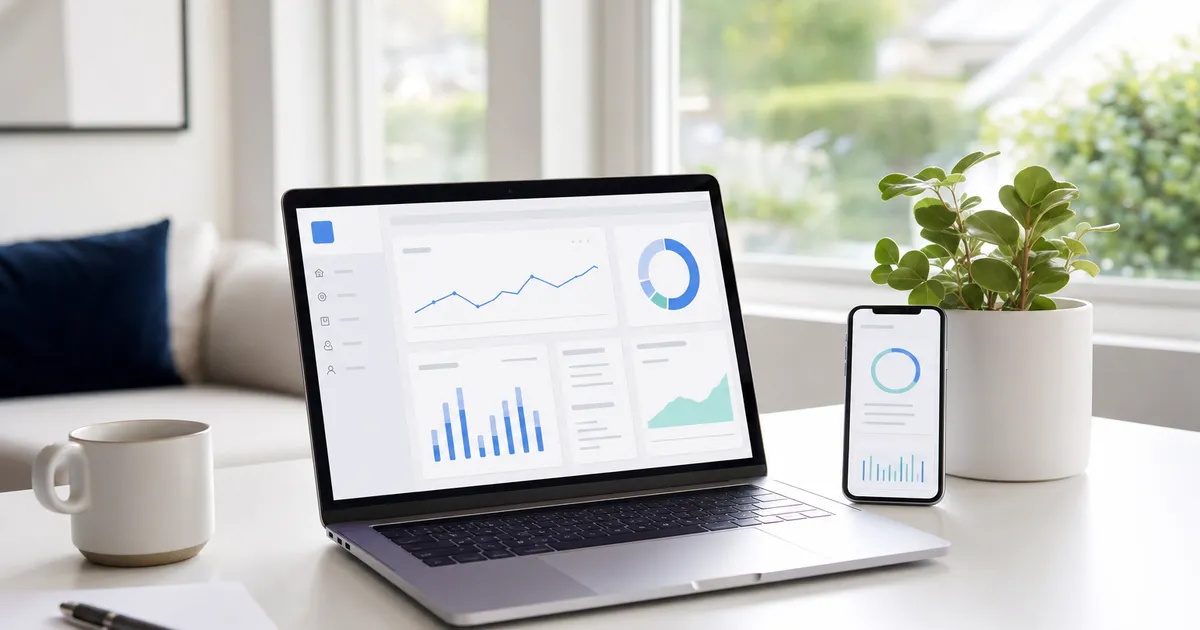
Most trash can cleaning businesses are run by people who are genuinely good at the actual work. The cans come out clean. The customers are happy. The before-and-after looks great. That part works.
What doesn't work is everything around it.
The texts at 10pm asking if you cover their street. The spreadsheet that's three weeks out of date. The customer whose card quietly failed two months ago and you never noticed. The neighbor who would absolutely sign up if it were just easy enough to do it.
None of that is a cleaning problem. It's a systems problem. And the right trash can cleaning software fixes all of it.
Customers should be able to sign up, pay, and manage everything themselves
The back and forth is the first thing that has to go.
When someone wants to start a plan, they shouldn't have to text you, wait for a reply, send a payment some other way, and then confirm again. That's four steps where something can go wrong. It's also four steps of your time, multiplied by every single customer you take on.
Every operator gets their own branded signup page. Your name, your colors, your link. Customers can see exactly what you offer, pick the plan that fits their trash day, and pay upfront. Done. No messages needed.
And it doesn't stop at signup. Customers can update their card if it expires. They can skip a clean or cancel inside the rules you set, with your cancellation policy applied automatically. They can see their upcoming cleans, their payment history, their account credits. Everything lives in one place and they manage it themselves.
You set the rules once. The system handles the rest.
You can build any plan or service you offer
Not every route looks the same. Some operators run a simple monthly clean for one can. Some do trash and recycling together. Some sell quarterly plans, some annual, some a one-time deep clean for move-outs or really filthy cases. Most do a mix of all of it.
A generic scheduler makes you cram your business into whatever it supports. A system built for this works the other way around.
You can create a monthly plan for a single can. A household plan covering trash and recycling on the same visit. Quarterly and annual options billed automatically. A one-time deep clean priced as its own thing. Custom intake so a new customer drops their address and trash day before you ever show up. Plan bundles, like a year prepaid at a discount, tracked automatically so you always know what each customer is owed.
Whatever you offer, you can build it exactly as it runs in real life. Not a workaround. The actual thing.
The operators who already have happy customers can finally stop leaving growth on the table
Here's the thing most operators never say out loud. They know their customers would recommend them. They know neighbors talk over the fence. They know word of mouth is probably already happening on the street.
They just can't capture it.
Asking someone directly to refer you is awkward. It puts the customer on the spot. It feels like you're asking for a favor. So most operators don't ask, the conversation never happens with a link attached to it, and a neighbor who would have signed up never finds out you exist.
A built-in referral program removes the awkward conversation entirely. Every customer gets a personal referral link they can share whenever it feels natural. When a neighbor signs up using that link, both sides earn account credit automatically. No asking. No tracking. No manual rewards. The system handles all of it.
For an operator who's already earned trust on a street, this is what turns that trust into actual route density. Not because you're doing more marketing. Because the people who already love the work now have a simple, rewarding way to bring the rest of the block in.
Customers churn quietly. Good systems catch them before they're gone
Most cancellations don't come with a warning. Nobody texts to say they're thinking of stopping. Their card just fails on the next billing cycle, or they go quiet after a missed clean, and a few weeks later you've lost a customer you could have kept.
The difference between operators who hold their route and operators who watch it leak isn't the quality of the wash. It's whether anything reached out when something went wrong.
The system sends automated nudges: a heads-up when a card is about to expire, a prompt when a payment fails, a reminder before each clean so the can is actually out at the curb. They get the message, they fix it, and you never had to think about it.
Small thing. Significant impact on lifetime value across a full route.
Customers should only see what's right for them
Someone on a monthly single-can plan shouldn't be staring at a commercial dumpster package. A new homeowner shouldn't have to scroll past options that don't apply to their zip code. When people see services that aren't relevant to them, they get confused, they don't sign up, and they assume you're not quite the right fit.
You can organize your plans by neighborhood, route, and service type, and show each customer exactly what matches where they live. It can happen automatically based on how you set it up, or you can move a customer with one click when they upgrade. Either way, everyone sees a page that feels like it was built for their street specifically.
That's a better experience for the customer. And a better conversion rate for you.
Gift cards and account credits keep customers happy and money inside your business
People want to support a local operator they like. They just don't always know how.
Gift cards give them a way to do it. A neighbor can buy one as a housewarming gift. A property manager can pick up a few for tenants. It's a purchase that brings new customers to you directly, and the platform handles the whole thing. Preset amounts, custom amounts, digital delivery, and automatic credit when the recipient redeems it.
Account credits work alongside this. When a customer earns a referral reward, gets a goodwill credit after a missed clean, or redeems a gift card, that balance sits in their account and applies automatically at checkout. It keeps the value inside your business. Customers stay on the route. They feel looked after.
Every truck and every clean is accounted for
As soon as you have more than one truck or a helper running a second route, you need visibility. Who cleaned what, when. How many stops each person ran. What revenue is coming in from each neighborhood.
BookNimble gives every operator their own schedule, their own route assignments, and their own numbers. You see everything across the whole business. A helper sees only their stops. You can set a pay percentage per person and the platform tracks it automatically. It's a branded signup page where customers see your plans and pay, automatic recurring payments through Stripe, reminders before each clean, and a dashboard of exactly who's due and who's paid. Ten minutes to set up, no monthly fee, and you only pay when you get paid.
No more chasing anyone for an end-of-week update. No more month-end guesswork. It's all there.
The pricing model is the point
Most platforms charge you a monthly fee before you've made a dollar from them. Then they take a cut on top. Then there are add-ons for the features that actually matter.
It doesn't work like that here. There's no monthly platform fee to start. No contract. No setup cost. You pay a small percentage per payment as it comes in, and Stripe processing is included in that fee.
When you make money, we make money. When the route is quiet in the off-season, you pay nothing. That's what a real partnership looks like.
The operators who set this up early are the ones who scale
The operators still taking signups through DMs, chasing failed payments by hand, and hoping customers remember to leave the can out are working harder than they need to. Not because they're doing anything wrong. Because nobody gave them a system that does the work for them.
A proper booking system isn't a luxury for when you have a hundred customers. It's what helps you get to a hundred customers. It handles the admin so you can stay on the route. It captures the growth already happening on every street you clean. It keeps customers paying without you having to chase.
Whatever size your business is right now, the system you build around it decides what it becomes.
Ready to grow your cleaning business?
Take signups, recurring payments, and reminders in one place with BookNimble.