How to Run a Waitlist That Actually Turns Into Paying Customers
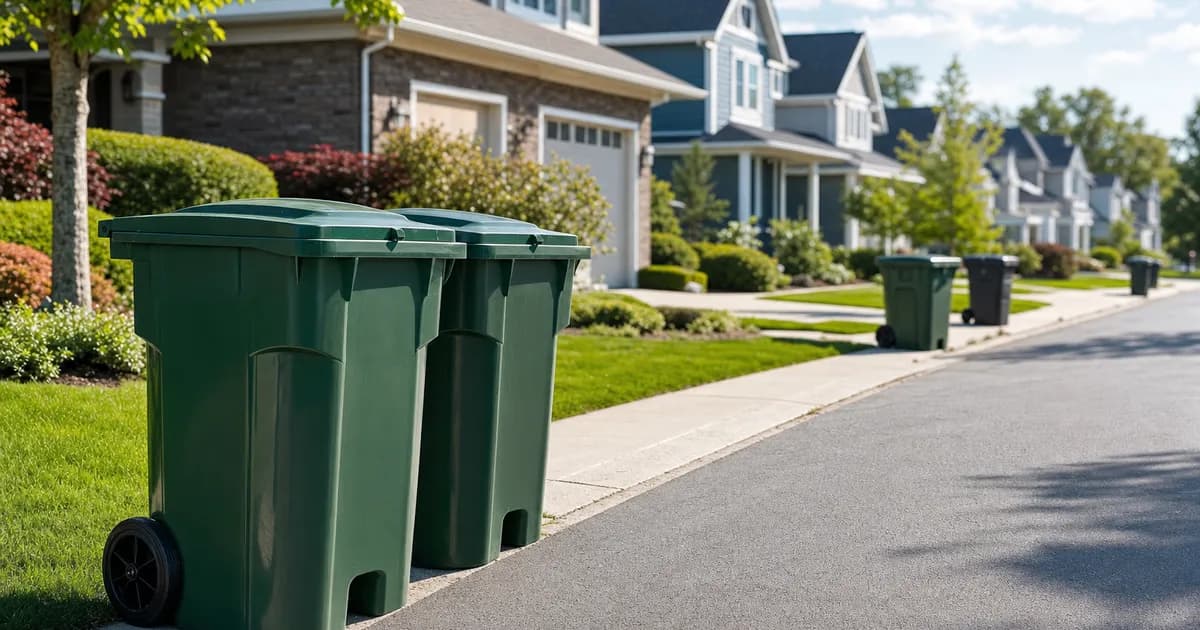
There's a moment in almost every growing trash can cleaning business where someone messages asking if you service their street, and for the first time you have to type the words "not yet." It feels good. Demand showing up before you even asked for it. It also feels final. You tell them you'll let them know when you reach their area. They say thanks. You both move on. Six months later, that name is still sitting in an Instagram DM, you've expanded two neighborhoods over without ever circling back, and neither of you ever spoke about it again.
Multiply that moment by every street you can't reach yet and every customer who messaged while you were at capacity, over a couple of years, and you have one of the biggest quiet revenue leaks in this business. Not lost customers. Not cancellations. Names of people who explicitly wanted to pay you, who you never called back.
A waitlist is supposed to fix this. The problem is that for most operators it isn't a system. It's a feeling.
A "not yet" message is not a waitlist
The version of a waitlist most operators run is just an inbox.
Someone asks if you cover their zip code. The operator replies with a friendly "not in your area yet, I'll keep you posted." That person's name now lives somewhere in a DM, a text thread, or a note on the operator's phone titled something like "interested." That's the whole list. There is no order to it. There is no record of which street each person is on. There is no trigger that fires when you open a new route. There isn't even a clean way to find the names again next month.
When you finally do open a new neighborhood, the operator either forgets about the list entirely and just door-knocks cold, or scrolls through old chats trying to remember who asked first. Half the names have gone cold. Two of them already signed up with someone else. One moved out of the area months ago. The new route ends up getting filled by whoever happens to flag you down on trash day, and the actual list does nothing.
This is technically a waitlist. Operationally, it is a graveyard.
What the waitlist is actually doing for your business
If you build it properly, a waitlist does three things at once, and most operators only see the first.
The obvious one is filling routes. You open a new street, you go to the list, the people who asked first sign up, the revenue lands. That's the headline.
The less obvious ones matter more. The waitlist is a live map of where demand is in your business, which is information almost no operator has clearly. If forty households on the east side have asked and three scattered across the far side of town have asked, the waitlist is telling you exactly which neighborhood deserves your next route, your next truck day, or a price you can hold firm on. Without the list, that signal is invisible and you make expansion and routing decisions on a hunch. Remember, this business lives or dies on density. The waitlist is the cheapest density research you will ever get.
The third thing is reputation. Customers talk to neighbors. The fact that you're booked out or not in their area yet is a marketing asset, but only if the people on the list have a good experience of being on it. A list that quietly does nothing makes you look disorganized. A list that updates people, gives them a clear sense of where they stand, and eventually delivers a clean makes you look like a real operation that takes their interest seriously even before they've paid you a dollar.
You don't run a waitlist to be polite. You run it because it changes what your business looks like from the outside.
Capture the names properly, not in a DM
The first job is to stop running the list out of your messages.
Your booking page should have a plain button for anyone outside your current routes that says "join the waitlist" or something equally obvious. Someone clicks it, fills in three fields, and they're on. Name, contact, and their address or street. That's it. Thirty seconds.
The reason this matters is that the structure of how the name lands decides everything that happens next. A name in a DM has no fields. You don't know what street they're on. You can't sort them. You can't see how many people are waiting in any given neighborhood. A name captured through a real form, tied to an address in your booking system, is a piece of usable data the moment it arrives. Now you can pull up a zip code and see at a glance whether there are two people waiting there or twenty.
It also flips the dynamic for the customer. A DM reply saying "I'll let you know" feels like a polite brush off. A confirmation that says "you're on the waitlist for Maple Street, you're number three in your area, we'll reach out the moment we open a route there" feels like joining something. Same situation, completely different experience.
If your current setup makes this too clunky to do, that's already a sign your booking system is the bottleneck and not your demand.
Tell every name exactly where they stand
The thing people on a waitlist actually want is information.
They don't expect a truck to show up on their curb next week. They expect to know whether they're realistically going to get service this year or not. The single biggest reason waitlists go cold is that the people on them have no idea if they're being seriously considered or if their name is just sitting in a void.
The fix is small. When someone joins, the confirmation tells them roughly where things stand and gives a rough sense of timing. "You're one of six households on the waitlist for your neighborhood. We usually open a new route once we have eight to ten customers clustered together, so the more of your neighbors who sign up, the faster we get there." That sentence does more for the relationship than any clever follow up ever will, because it sets expectations honestly and stops them wondering every other week whether you forgot.
A short update to the list once a month is the next layer. "Quick update for everyone waiting on the west side. We're three households away from opening a route there, so if you've got a neighbor whose can needs it, now's the time to send them our way." Two sentences. Sent once. Every name on the list now feels oriented, and you've just turned your waitlist into a referral engine that builds the exact density you need to serve them.
The operators who get this right are not better at blasting cans than the ones who don't. They've just decided the waitlist is part of the customer experience and not a back office note.
The moment you open a route, the system has to be faster than your memory
When you finally do open a new neighborhood, the speed of what happens next decides whether those names become revenue or stay a list of regrets.
The operator who decides on a Sunday evening that next week's truck run will cover Oak Street, makes a mental note to message the waitlist "tomorrow," then forgets through Monday and Tuesday, has just left a route running half empty. Worse, the people who asked first might have signed up with another operator in those few days because they assumed nothing was happening with you.
The version that works is more or less automatic. You open the area, everyone on the waitlist for that street gets a message that same day, with a direct link to pick a plan and book their first clean, a clear note that you'll be on their curb on their trash day, and a nudge to lock in before the route fills. A day or two of lead time is plenty. Long enough that they can check with a partner. Short enough that you're not holding an empty slot on the truck while one person makes up their mind.
If they say yes, they book through the link, they're a paying customer on a recurring plan, and your route gets denser. If they don't respond, you move to door-knocking that street with the before-and-after content that actually closes people. The operator's job is to set the offer once and let the message go out. Not to remember a list of names from four months ago.
This is the part that almost never works manually. Operators who try to run a new-route launch out of their own inbox burn an evening digging through old chats and end up just cold-knocking instead, which wastes the whole point of having collected the names. Operators whose system holds the list run the launch in fifteen seconds and roll onto a street that's already half-signed before the truck even gets there.
Give them a real next step, not a vague "we'll see"
Even the people who can't get on a route this round still need something to do.
This is where most waitlists waste a real opportunity. Someone is interested enough in clean cans to join a list and wait weeks for you to reach their street. They are, by a very long way, the warmest leads in your business. Letting them sit and do nothing for two months while you wait to hit density is a missed move.
The operators who handle this well give every name on the list a soft alternative. A one-time deep clean you'll swing by for even though they're off your normal route, priced to make the trip worth it. A spot in a seasonal promo when you're running a truck through their side of town anyway. A referral offer where they get a free clean if they pull in two neighbors. None of these undercut your recurring plans. All of them give the person something to actually do while they wait, which keeps them warm, proves the service is worth waiting for, and frequently turns a waitlist name into a paying customer before the full route ever opens. Better yet, the referral path directly builds the density that gets you there.
The simplest version is a one line addition to the welcome message. "While you wait, a lot of folks in your situation grab a one-time deep clean to tide them over, and if you get two neighbors to join the waitlist with you, we'll move your whole street to the front of the line." That's it. Some people will take it. Most won't. The ones who do are now active customers, or active recruiters, months earlier than they would have been otherwise.
Keep the list warm so it doesn't go stale
A waitlist goes stale faster than operators realize.
A name that was hot in March is lukewarm by May and basically meaningless by August. The person signed up with a competitor. They forgot they ever asked. The phone number changed. They moved. By the time you finally have a route for them, the lead is gone.
The fix is a light touch every six to eight weeks. A short message to everyone on the list that does two things. Confirms they still want to be on it, and gives a quick update on where their area stands. "Just checking you'd still like to stay on the waitlist for your street. We're getting close, we expect to be running a route through there in the next couple of months. Reply yes to stay on, no to come off, or let us know if your address has changed."
The replies do the work. Most stay on. A handful drop off, which is fine, because they were going to drop off anyway and now you know it. The list cleans itself. Every name left has explicitly confirmed they still want service, which means when you open the route you can move with confidence that the people you're calling are still real.
A clean list is worth ten times a long stale one. The operators who run waitlists well aren't the ones with the most names on them. They're the ones whose top names in each neighborhood are still warm.
Don't be afraid of the list being long
Some operators quietly stop taking waitlist names once it gets past a certain length. Ten names, fifteen names, they decide it's gone past the point of being useful and stop bothering.
This is almost always a mistake.
A long waitlist is a real asset. It tells you, with hard evidence, that there is room to grow. Three names in a neighborhood is a small interest. Twenty names clustered on a few streets is a second truck day, a new route, a reason to hire your first helper, or the case for buying a second rig. Operators who stop collecting names at fifteen are throwing away the exact data that would justify their next move.
Even if you can't add capacity right now, the list itself is doing useful work. People on it are warm. Some will convert into one-time deep cleans or seasonal promos. A few will recruit the neighbors who finally tip a street into being worth a route. None of that happens if you politely tell people to come back later.
Keep the list open. Keep it tidy. Tell people honestly how long the wait is likely to be. Let the size of the list in each neighborhood tell you where the truck goes next.
The software that runs it for you
Almost everything in this post falls apart if you have to do it by hand. The names spread across three different chats. The neighborhood counts go out of date. The follow ups don't get sent. You open a route and the message goes out three days late, if at all.
The operators who run waitlists consistently are the ones whose system holds the whole loop. The booking page lets people join the list straight from a page that says you're not in their area yet. Each name is attached to an address, a neighborhood, and the date they joined. When you open a route, everyone waiting on that street gets a message with a direct link to start a plan, and the ones who don't respond drop into your door-knock list cleanly. The list updates itself. The neighborhood counts stay accurate. A check-in fires every couple of months without you remembering, and the names that stop replying come off on their own.
BookNimble is built around exactly this kind of flow. You get a branded booking page where customers see your plans, sign up, and pay, with automatic recurring billing through Stripe and a reminder before every clean so cans are out on trash day. People outside your routes join the waitlist in one tap, every name lands tied to their street, and your dashboard shows you at a glance where demand is clustering and who's due and who's paid. When you open a new area, the round runs for you and the list keeps itself warm in the background. Ten minutes to set up, no monthly fee, and you only pay when you get paid. You set the rules once. The version of you slammed on a Saturday route is running the same waitlist as the version of you on a quiet Sunday morning, because the structural part is already done.
This is the difference between a trash can cleaning business where "not yet" is the end of the conversation and one where it's the start of one.
The bottom line
The waitlist is the part of a trash can cleaning business that quietly decides how much of your demand actually turns into revenue. Done badly, it's a graveyard of names that never get called back. Done properly, it fills your new routes the day you open them, gives you a live read on where to expand next, and turns "not yet" from a dead end into one of your best assets.
Capture the names through your booking page, not your inbox. Tell every person exactly where they stand and how long the wait is likely to be. Move fast the moment you open a route, and let the system run the round. Give the people on the list a soft next step so they stay warm and bring their neighbors. Run a light check in every couple of months so the list stays clean. Keep it open even when it gets long, because the length is data, and the clusters are your map.
Do that and the people who heard "not yet" stop drifting off to other operators. They wait, properly, on a list that does its job, and they show up as paying customers the moment you roll a truck down their street.
Most of the revenue operators think they've already lost was never lost. It was just sitting on a list nobody was running.
Ready to grow your cleaning business?
Take signups, recurring payments, and reminders in one place with BookNimble.
Related Posts

How to Price Your Trash Can Cleaning Service Without Leaving Money on the Table
Most operators set their first price too low and stay on it for years. Here's how to price a trash can cleaning service so the route runs profitable from day one.

How to Run a Year-End Customer Appreciation Push That Locks In Renewals
A simple year-end thank-you is the cheapest retention you'll ever run. Here's how to use it to lock in plan renewals for next year on your trash can route.