How to Win Back Customers Who Quietly Canceled
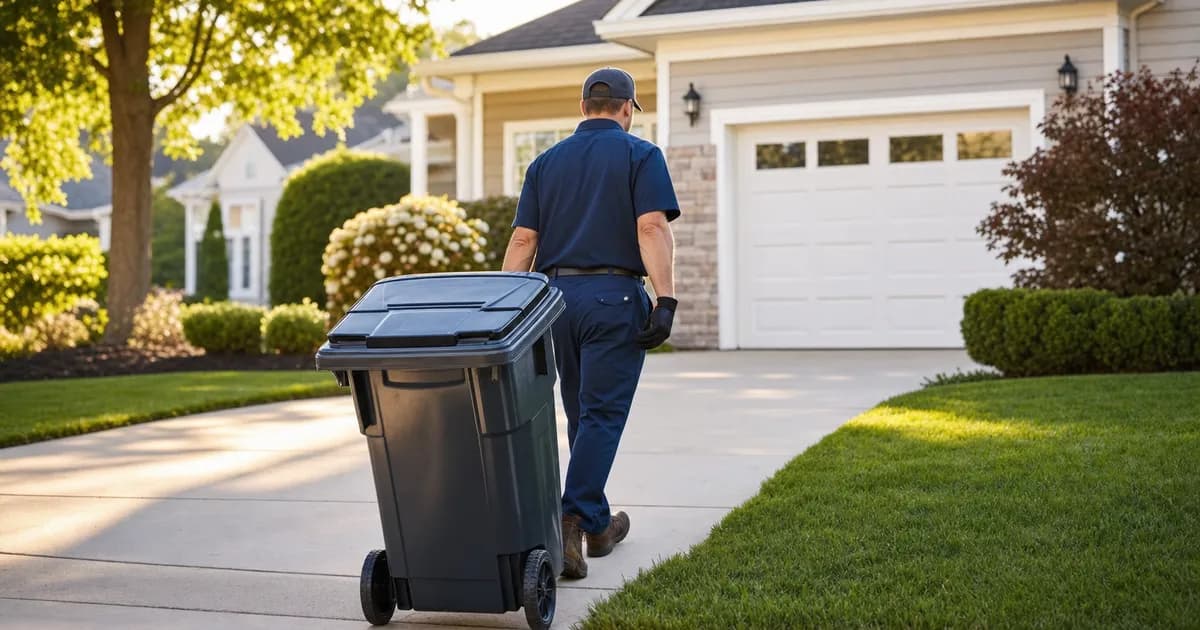
Every operator has the same hidden list. The customer who was on your route every trash day for six months and then quietly dropped off around February without saying anything. The house that signed up for two quarters in a row and never renewed for the third. The regular on Elm Street who used to be the anchor of your Thursday and is now just a name you scroll past in the system.
You don't think about them very often. They didn't complain. They didn't ask for a refund. They just quietly stopped, and you got busy with the next batch of signups, and a year later they're still on the list and still gone.
Almost every trash can cleaning business is sitting on a wall of these names. And they are, by a long way, the cheapest revenue you will ever earn.
The lapsed list is the biggest blind spot in this business
Operators obsess over new customers. Marketing budget goes to new customers. Instagram goes to new customers. The before-and-after video that gets all the attention is, by definition, aimed at people who have never used you.
Almost nobody runs a deliberate plan for the customers they already had once.
This is strange when you stop and think about it. A new customer has never met you. They have to find you, decide you're real, work up the nerve to reach out, get past the spouse who isn't sure it's worth the money, and sign up. The whole process takes weeks and a chunk of money up front in marketing.
A lapsed customer already trusts you. They already have your booking link. They already know their can comes back clean. They already know which day you run their street. They already know it fits their week. The only thing standing between them and another six months of revenue is that nobody ever invited them back.
Why customers actually cancel
Before you can win them back, you have to be honest about why they left.
In a small minority of cases it's something real. They moved out of your route. Money got genuinely tight. There was a missed clean or a bad experience they never raised with you. Those are the cases you can't rescue and shouldn't try to.
The vast majority are not that. The vast majority are just life. They went out of town for a few weeks and forgot to leave the can out. A card on file expired and the payment quietly failed. They told themselves they'd handle the trash this month and never picked it back up. The longer the gap got, the easier it was to leave it. Eventually it crossed the line from "I'll get back on the plan next month" to "I guess we canceled."
Nobody decided to leave. The leaving happened in the gap.
If you understand that, the win-back conversation is completely different. You're not trying to convince anyone of anything. You're just removing the awkwardness of coming back after a gap that wasn't really their decision in the first place.
Find the names first
Before you can do anything, you need a list.
This sounds obvious and almost no operator has it. The lapsed customers are scattered across text threads, old payment screenshots, a spreadsheet that hasn't been opened since November, and your memory. You can name a few of them off the top of your head. The rest you've forgotten exist.
A proper booking system makes this list trivial. Every customer who hasn't had a clean in the last sixty or ninety days is a lapsed customer. Sort by last service date and you have your win-back list in under a minute. If your business runs on a phone and a notepad, this is going to take you a Sunday afternoon, and it's still worth doing.
The list itself does the hard work. The moment you can see thirty names of houses that used to pay you every month and now don't, you stop treating win-back as a vague idea and start treating it as a project with a dollar number attached.
Group the list by how long they've been gone
Not every lapsed customer gets the same message. Treating someone who skipped the last three weeks the same as someone who hasn't been on the route in nine months is the fastest way to make the whole thing feel impersonal.
The cleanest split is three groups. Customers who've missed a clean or two but are still warm. Customers who've been gone two or three months. Customers who've been gone six months or more.
The first group is barely lapsed. They're a quick nudge. The middle group needs a real reason to come back. The third group is closer to a re-introduction than a win-back, and you should treat them that way.
If you write one generic message and send it to all three, the warm group feels like they're being chased and the cold group feels like a stranger landing in their texts. Two minutes of grouping fixes both.
The message that actually works
The single biggest mistake operators make in win-back is sounding like a marketing blast. "We've missed you, here's 20% off, sign up today." That message is everywhere. People skim it and delete it.
The version that works is the one that sounds like the operator actually noticed.
"Hi, I was running the route on Oak Street this morning and realized we haven't cleaned your cans in a while. No pressure at all, just wanted to check in and let you know I've still got your usual Tuesday slot open if you ever want to get back on the plan. Hope you're doing well."
That's it. Three sentences. No discount. No urgency. No emoji. Just an operator saying out loud that they remember the house and there's still a spot for it.
People read that message completely differently to a marketing one. It doesn't feel like a pitch. It feels like being remembered. And being remembered is exactly the thing they assumed had stopped happening the moment they fell off the route.
The reply rate on these is much higher than operators expect. Not everyone comes back, but a meaningful share do. And the ones who don't come back almost always reply with the actual reason, which is information you didn't have before and can use to fix the same drop-off in the next group.
Time it for the moment they're already thinking about it
Win-back messages have a much higher hit rate at certain points in the year, and almost no operator times them on purpose.
The first warm week of spring, when cans start to reek again. The week after a holiday weekend, when everyone's curb is overflowing. Early in a new quarter. The stretch in summer when the heat makes a neglected can unbearable. These are the moments when someone is already thinking about how gross their trash can has gotten and is one prompt away from getting back on a plan.
A win-back message landing on a cold week in November, when nobody can smell their can through the lid, is a much harder sell than the same message landing on the first ninety-degree day of the year, when the garage already smells like a dumpster.
If you only do one round of win-back a year, do it the first warm stretch of spring. Two rounds a year, add the start of summer. Anything more than that and you're picking off the natural moments as they come through the season.
Make the route back stupidly easy
The other place this whole thing falls down is the signup step.
Someone gets your message. They feel good about it. They decide, sure, let's get the cans cleaned again. They tap into your booking page. The plan they used to be on is structured a little differently now. The price has changed slightly. They aren't sure if they're still in the system. They don't know if their old card still works. They close the tab and tell themselves they'll do it later.
Later is where win-backs go to die.
The route back has to be one tap. The message itself should contain a direct link to the exact plan you're inviting them onto. The booking page should remember them if they've used it before. Their old details should pull through. They shouldn't have to set up an account again or rebuild a profile they already had.
If your signup flow makes a returning customer feel like a stranger, half the people you successfully reached will silently drop off at the booking step. That is brutal, because the hard part already worked.
A small, specific offer beats a big generic one
Operators who have been told to do win-back often default to a discount. Twenty percent off, fifteen percent off, a free month, that kind of thing.
These work, but they work less well than operators assume, and they teach the customer something you might not want them to learn. If a returning customer gets a discount your current customers don't, you've quietly trained the neighborhood that canceling and coming back is how you get a better rate.
A more useful version is a small specific gesture that doesn't undercut your normal pricing. A free deep clean on the first service back. A guaranteed spot on their old trash day so they don't lose their slot. A quick scrub of the recycling can thrown in the first time. A bonus mid-summer clean if they get back on a quarterly plan.
Each of those costs you almost nothing and lands very differently to a discount code. They feel like the business going slightly out of its way for the customer. They don't feel like a sale.
If you want to go further, structure the win-back around a clear next thing. The next route runs their street on the 8th. The summer deep-clean promo is on this month. The next quarterly block opens this Sunday. Win-backs work much better when they point at a specific upcoming moment than when they offer "come back any time."
Don't be precious about the ones who don't reply
Some of the people on your win-back list are not coming back. That is fine. The job of the message is not to land every single one. The job is to invite all of them, capture the ones who were always going to say yes if asked, and surface useful information from the rest.
If someone doesn't reply to a warm, well-written check-in, they were probably gone already. Sending three more follow-ups doesn't bring them back, it just makes you look desperate and shifts the relationship from quietly lapsed to actively annoyed. One message, occasionally a soft second one a couple of weeks later, and then leave them alone for at least six months.
The operators who win this game are not the ones who pester. They're the ones who do a clean, thoughtful round once or twice a year and let the warm responses come back to them. The rest of the energy goes back into the customers who are actually still on the route.
The compounding part nobody talks about
A win-back program done properly does something quietly powerful that one-off campaigns never achieve. It makes you the operator who follows up.
Every customer who got that message and didn't come back still got it. They still saw that you noticed. They still mentioned it to a neighbor. Six months later, when their can is rank in the August heat and they're finally fed up with it, you are the first person they think of, because no other business in the area ever sent the message in the first place.
A meaningful share of win-backs don't happen in the round you sent the message. They happen four months later when the heat hits and they remember you reached out. The compounding effect of being the one business on the street that stays in touch is hard to see in any single round and very obvious over a couple of years. It's also exactly the route density you want, because one house coming back often pulls a neighbor or two along with it.
The software that does the boring part
Almost everything in this post falls apart if you have to do it by hand every time. The list goes out of date. The grouping never gets done. The personal-feeling message turns into a copy-paste that loses the voice that made it work in the first place.
The operators who run win-back consistently are the ones whose system tells them when a customer has gone quiet, lets them group lapsed customers in a couple of taps, holds the message templates so the wording stays human but the structure stays consistent, and lets the customer get back on the plan in one tap straight from the message.
BookNimble is built around exactly this kind of loop. It gives you a branded booking page where customers see your plans, sign up, and pay, with automatic recurring payments through Stripe and reminders before each clean so cans actually make it to the curb. The system knows who hasn't had a service in the last sixty days. It can sort them by how long they've been gone. It lets you send a personal message with a direct link to a specific plan, and the booking page recognizes returning customers so the route back is one tap, not a fresh signup. You set it up once in about ten minutes, there's no monthly fee, and you only pay when you get paid. The list keeps itself up to date, so the version of you on a busy Monday in July is still running win-back the same way as the version of you on a calm Sunday in spring, because the system is doing the part you would otherwise forget.
This is the difference between a trash can cleaning business that loses a steady trickle of revenue every season and one that catches almost all of it back without it ever feeling like a chase.
The bottom line
The most expensive customers in your business are the new ones you spent months and marketing dollars trying to find. The cheapest are the ones who used to be on your route and quietly stopped, because the trust is already built and the only thing missing is the invitation.
Build the lapsed list. Split it by how long they've been gone. Send a short, warm message that sounds like the operator noticing rather than the business asking. Time it for the moment they can already smell the problem. Make the route back one tap, not a setup process. Offer something small and specific rather than a discount that undercuts your other customers. And let the system hold the boring parts so the round actually happens twice a year instead of being a thing you mean to get to.
Do that and a third of your "we lost them" list quietly comes back over the next twelve months. Most of them stay on a full plan. Some get the neighbor to sign up too. A couple bring you a whole new street.
The customers you thought were gone were almost never gone. They were just waiting to be invited back to the thing they always meant to keep doing.
Ready to grow your cleaning business?
Take signups, recurring payments, and reminders in one place with BookNimble.
Related Posts

How to Price Your Trash Can Cleaning Service Without Leaving Money on the Table
Most operators set their first price too low and stay on it for years. Here's how to price a trash can cleaning service so the route runs profitable from day one.
How to Run a Year-End Customer Appreciation Push That Locks In Renewals
A simple year-end thank-you is the cheapest retention you'll ever run. Here's how to use it to lock in plan renewals for next year on your trash can route.