Why You Should Sell Recurring Plans, Not One-Off Cleans
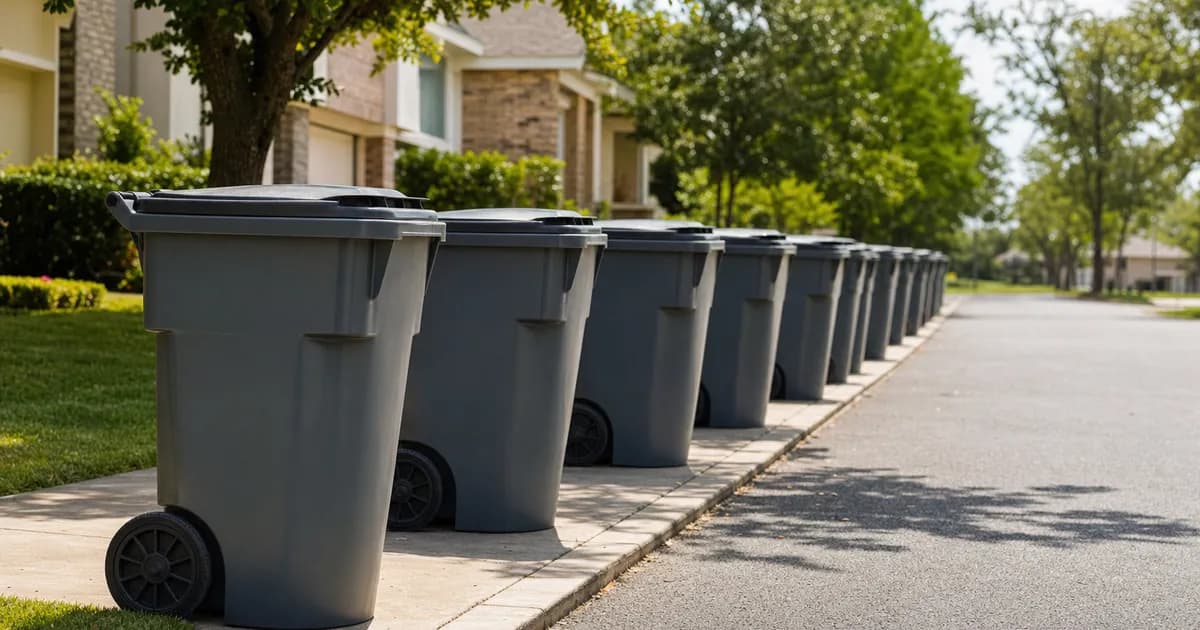
Most trash can cleaners sell one clean at a time. A neighbor texts you, you blast out their can on trash day, they pay you, done. Maybe they call again next month. Maybe they forget. Maybe the can stops smelling for a while and they quietly stop booking.
This is how most of these businesses run, and on the surface it feels fine. The customer likes that they're not tied to anything. You like that it's simple. Nobody's locked in.
But flexible for them is fragile for you. The operators who quietly build the most stable routes stopped selling one-off cleans a long time ago.
One-off cleans are the reason your revenue feels unpredictable
If you've ever looked at your week and had no idea whether you'd be running a full route or driving across town for two cans, that's the one-off model doing exactly what it's built to do. Every month, every customer makes a brand new decision about whether to book you again. The weather, their budget, whether the can happens to smell that week. All of it gets a vote.
You don't have a customer base in that world. You have a list of people who might call again and might not. That's hard to plan around and almost impossible to grow with any confidence.
A recurring plan changes the whole thing. A customer signs up for monthly service. The decision isn't "do I book a clean this month." That's already settled. The only thing left is which trash day you show up on. That shift, from a monthly decision to a fixed schedule, is the single most important thing you can do for retention.
Customers actually prefer plans once they get it
A lot of operators worry that asking someone to sign up for a plan will scare them off. In practice it does the opposite.
People aren't buying flexibility. They're buying a clean can they never have to think about. They want the curb to stop smelling in the summer heat without having to remember to call anyone. A recurring plan is them buying that result once and being done with it.
There's the price angle too. A monthly plan at a slight discount feels like a better deal than paying full freight for a one-off every time, even if the real difference is a few dollars. People like feeling they've got an actual arrangement with you, not a one-off transaction every month. It makes them feel like a regular customer instead of a stranger who texts when the can gets bad.
Your cash flow stops looking like a rollercoaster
Running on one-off cleans means your money shows up the same week you earn it. That's fine when the route is full. It's brutal in a slow week, a rainy week, a cold month, or any stretch where people stop thinking about their cans.
Plans front-load the revenue. A customer on autopay has already committed to twelve cleans this year. You haven't done eleven of them yet, but the relationship and the billing are locked. Across a route of fifty homes, that adds up fast and it lets you see what next month actually looks like instead of guessing.
This is the difference between a business that scrambles to cover the truck payment and one that knows exactly where it stands. It's also what lets you invest in a better rig, a second truck, or a helper, without waiting on a lucky stretch of weather.
The retention math is genuinely significant
Here's the worked example. Say a one-off clean is $25. A new customer pays you $25, you do a great job, and then you're back to zero. To make $300 from that house this year you have to win the booking twelve separate times, and most months you won't. Realistically you get them two or three times before they drift, so that house is worth maybe $50 to $75 a year.
Now put that same house on a $20-a-month plan, billed automatically, cleaned every month on their trash day. That's $240 a year from one signup you only had to win once. Even at a few dollars less per visit, the recurring customer is worth three to four times the one-off customer, and you're not spending any energy re-selling them. You won them on day one and the route does the rest.
Most of your retention is decided in the first few months. Plans basically guarantee you get there. One-off cleans give you a couple of visits before the momentum breaks.
How to package, sell, and bill plans without the headache
The reason most operators don't sell plans isn't that plans don't work. It's that tracking them by hand sounds miserable. Who's on monthly, who's quarterly, who paid this cycle, whose card just failed, who's due on Thursday's route. Doing that in a notebook or a spreadsheet falls apart the second you pass a dozen customers, so people give up and go back to one-offs.
That's a tool problem, not a strategy problem. The right system runs it for you. BookNimble gives you a branded booking page where customers see your plans, pick one, sign up, and pay in about thirty seconds. Recurring payments run automatically through Stripe, a reminder goes out before each clean so the cans are at the curb when you arrive, and a dashboard shows exactly who's due and who's paid. It takes around ten minutes to set up, there's no monthly fee, and you only pay when you get paid. You set the plans once and the billing runs itself.
The bottom line
Selling one clean at a time is the simplest way to run a trash can cleaning business. It's also the least stable. Customers drift, revenue bounces, and you start from scratch every single month.
Recurring plans flip all of that. Customers commit. The money arrives upfront and on schedule. Retention stops being a monthly battle and becomes a natural result of how the business runs.
You don't have to force it overnight. Offer one plan alongside your one-off option and see how many people pick it. For most operators, it's a lot more than they expected.
Sell cleans one at a time and you'll always be starting over. Sell plans and you've got a route that builds on itself.
Ready to grow your cleaning business?
Take signups, recurring payments, and reminders in one place with BookNimble.
Related Posts

How to Price Your Trash Can Cleaning Service Without Leaving Money on the Table
Most operators set their first price too low and stay on it for years. Here's how to price a trash can cleaning service so the route runs profitable from day one.

How to Run a Year-End Customer Appreciation Push That Locks In Renewals
A simple year-end thank-you is the cheapest retention you'll ever run. Here's how to use it to lock in plan renewals for next year on your trash can route.